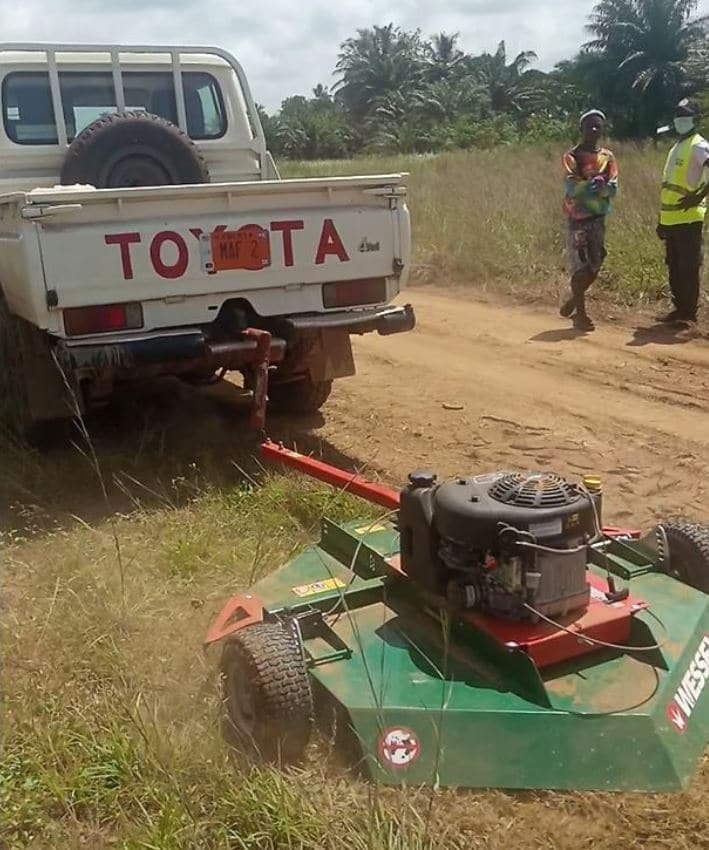
The AT-110 grass topper is a heavy-duty mower that keeps grass airstrips clear and safe for aircraft. Its strong build, ability to cut dense vegetation, and capacity to handle uneven terrain make it ideal for tropical and remote locations.
The AT-110 is easy to maintain. Teams only need routine checks, occasional blade and belt replacements, and simple height adjustments. Specialist support is not required. Its efficiency and durability help ensure essential services reach areas that are otherwise hard to access.
Using our grass topper at the Cesstos airstrip in Liberia allowed organisations to keep the runway safe during the wet season, where hand tools had failed. It directly supports reliable operations for flights carrying medical supplies, humanitarian aid, and other critical services.
Why reliable airstrip maintenance matters
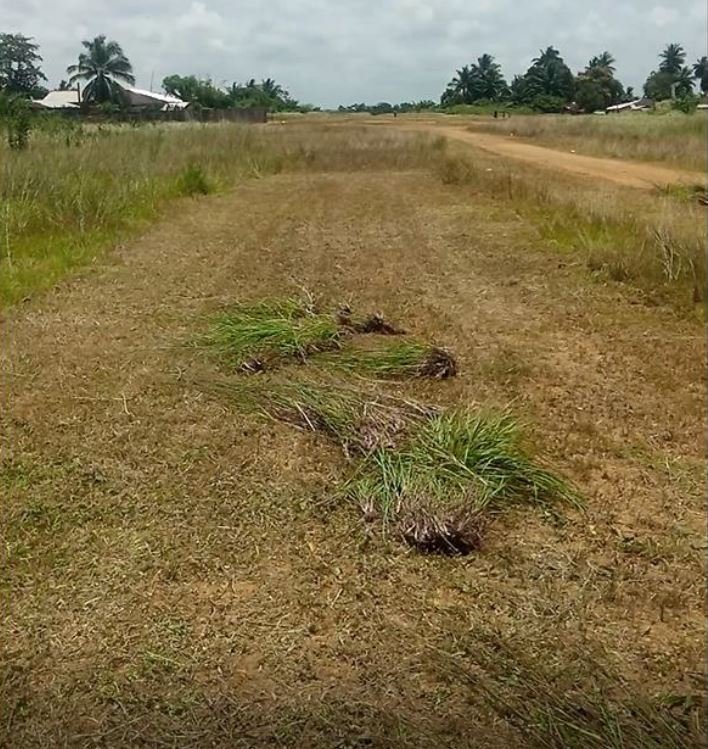
Grass airstrips in remote regions are highly susceptible to rapid vegetation growth, uneven surfaces, and hidden hazards. In tropical climates, unchecked grass can grow quickly and hide debris, holes, or waterlogged patches, making take-off and landing unsafe.
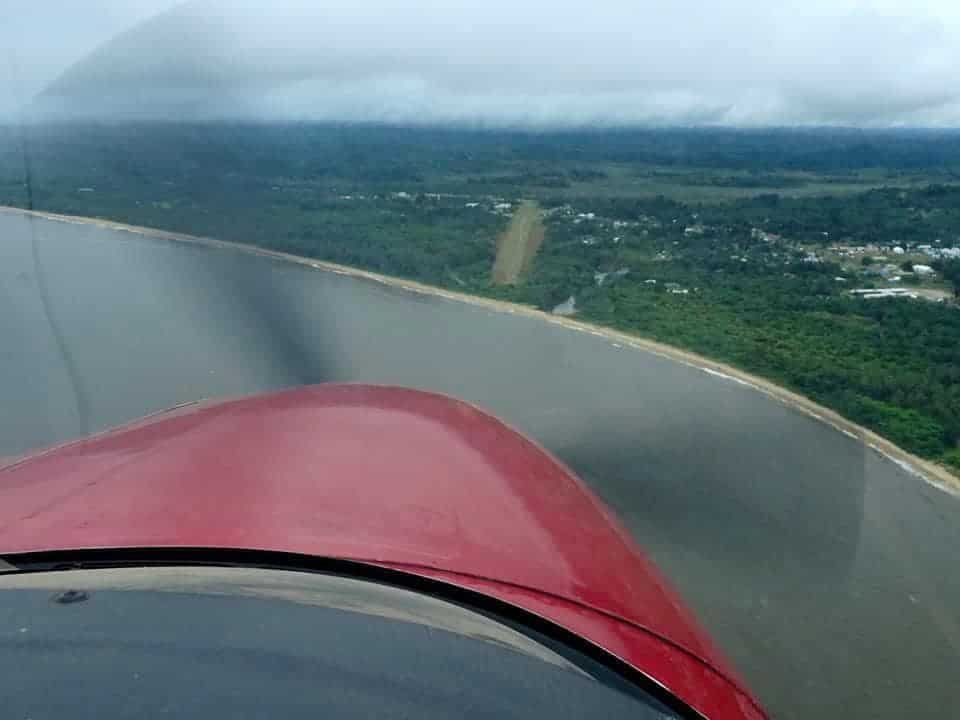
Cesstos, a small community in Rivercess County, faces limited access during the wet season. Seasonal rain turns unpaved roads into mud, while damaged bridges and rough terrain make overland travel slow and risky. Without a maintained airstrip, healthcare services, humanitarian aid, and essential deliveries cannot reach the community.
MAF (Mission Aviation Fellowship) has flown in Liberia since 2015, providing air transport for more than 80 organisations and grassroots projects. Flights replace long, difficult road journeys with efficient and safe travel, reducing delays and risk.
Introducing the AT-110 grass topper
In September 2021, Wessex International supplied an AT-110 grass topper used for maintaining grass airstrips and rough terrain to Cesstos. Teams chose the mower for its heavy-duty design, reliability, and ease of use.
The mower’s swing-tip blades, anti-scalp design, and adjustable height allow precise cutting on uneven ground. Baffles distribute cuttings evenly across the runway. Teams replace blades twice a year and belts every two years, making it suitable for areas with limited spare parts.
The AT-110 allows local teams to manage airstrip maintenance safely and efficiently. Its consistent performance ensures that airstrips remain operational even during periods of rapid grass growth.
Transporting and deploying the mower
Moving the mower to Cesstos required careful planning. Global transport delays and seasonal road conditions slowed delivery from the UK. When it arrived at Spriggs Payne Airport in Monrovia, roads to Cesstos were still impassable during the peak of the wet season.
In late November 2021, the grass topper began the 150-mile journey to Cesstos. Transported in a pick-up vehicle over rough terrain, the trip took nearly seven hours. Once on site, teams cut grass to a safe height, removed hazards, and prepared the runway for aircraft operations.
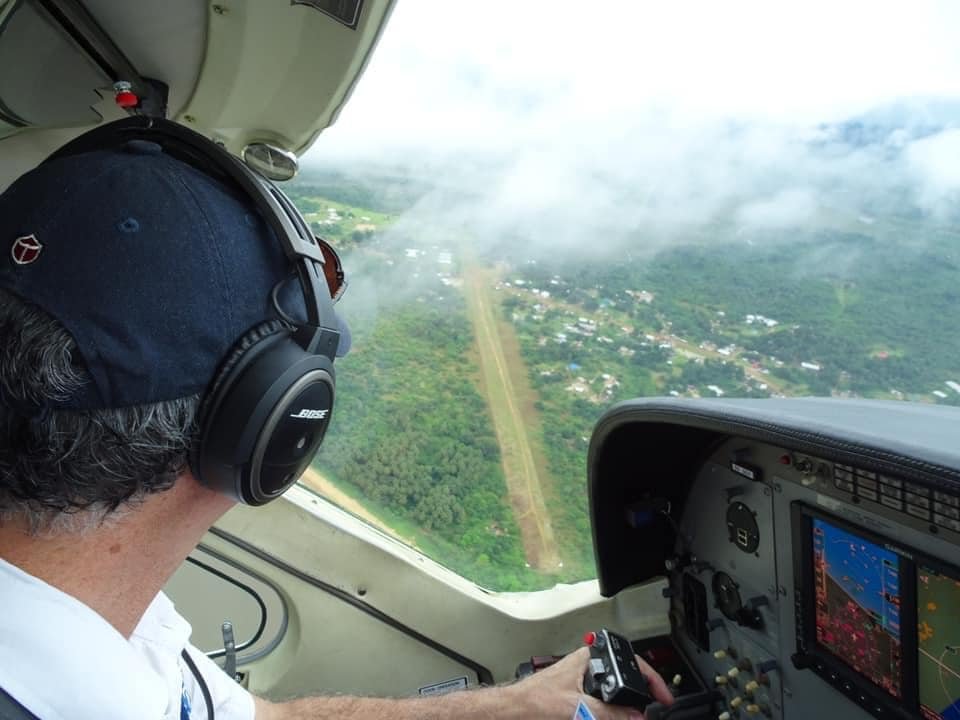
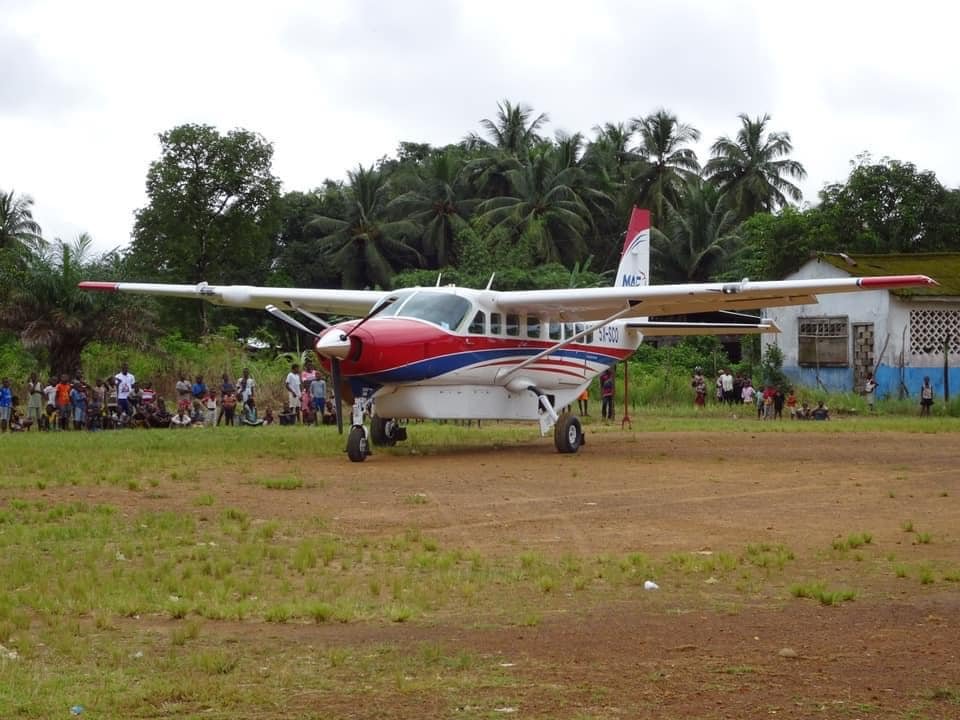
On 18 December 2021, MAF’s C208 aircraft landed successfully at Cesstos, re-establishing predictable and safe air access. Flights that once took seven hours by road now take just 40 minutes, improving access for medical and humanitarian services.
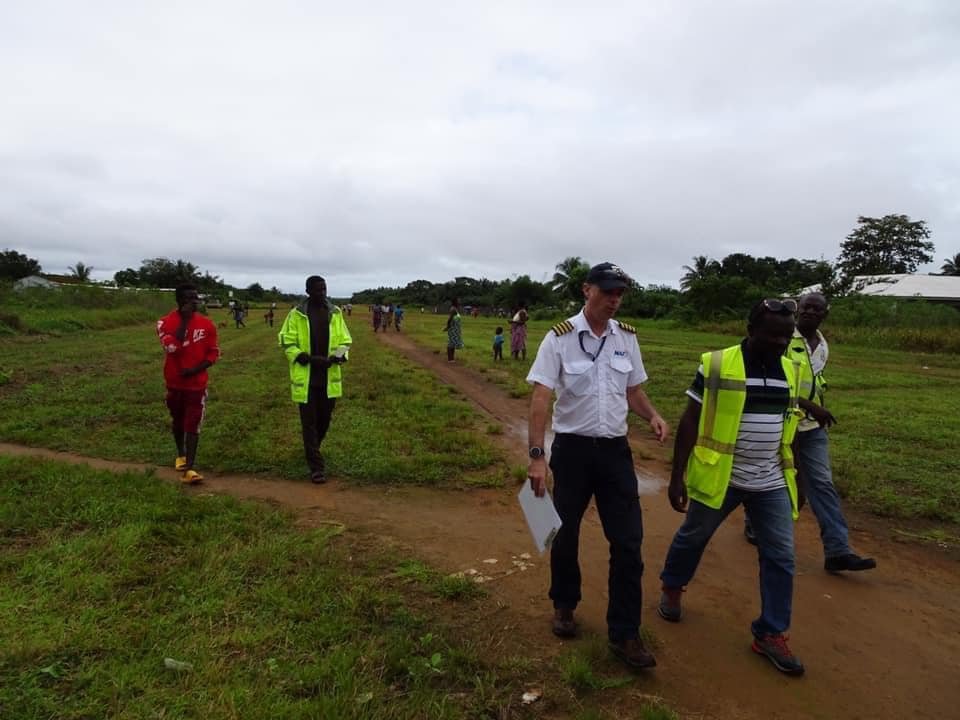
MAF pilot Steven Biggs explained that reopening airstrips requires careful inspection from both the air and on foot to ensure safe operations.
Operational benefits in practice
Regular airstrip maintenance with the AT-110 allows MAF and partner organisations to keep schedules, reduce risk, and improve service delivery. The mower’s durability reduces downtime and repair costs, while its simple operation ensures that local teams can maintain the airstrip safely.
The AT-110 demonstrates the broader value of robust groundcare machines designed for demanding environments allowing organisations to maintain grass surfaces in remote aviation, agricultural, and sports facilities. Their reliability supports critical operations even where conditions are challenging.
Wider impact and future applications
Restoring the Cesstos airstrip had a measurable impact. Communities regained access to healthcare, education, and supplies. Staff and residents no longer face dangerous overland journeys during the wet season. Reliable airstrip groundcare improves the safety and predictability of operations.
Wessex’s news section highlights similar projects, demonstrating how their equipment performs effectively in real-world conditions., showing how robust machinery performs in real-world conditions. Using the AT-110 in Liberia illustrates how targeted investment in groundcare equipment improves access and safety for remote communities.
Contact Us
Contact the Wessex team for advice or information on grass toppers and groundcare solutions for challenging environments.